
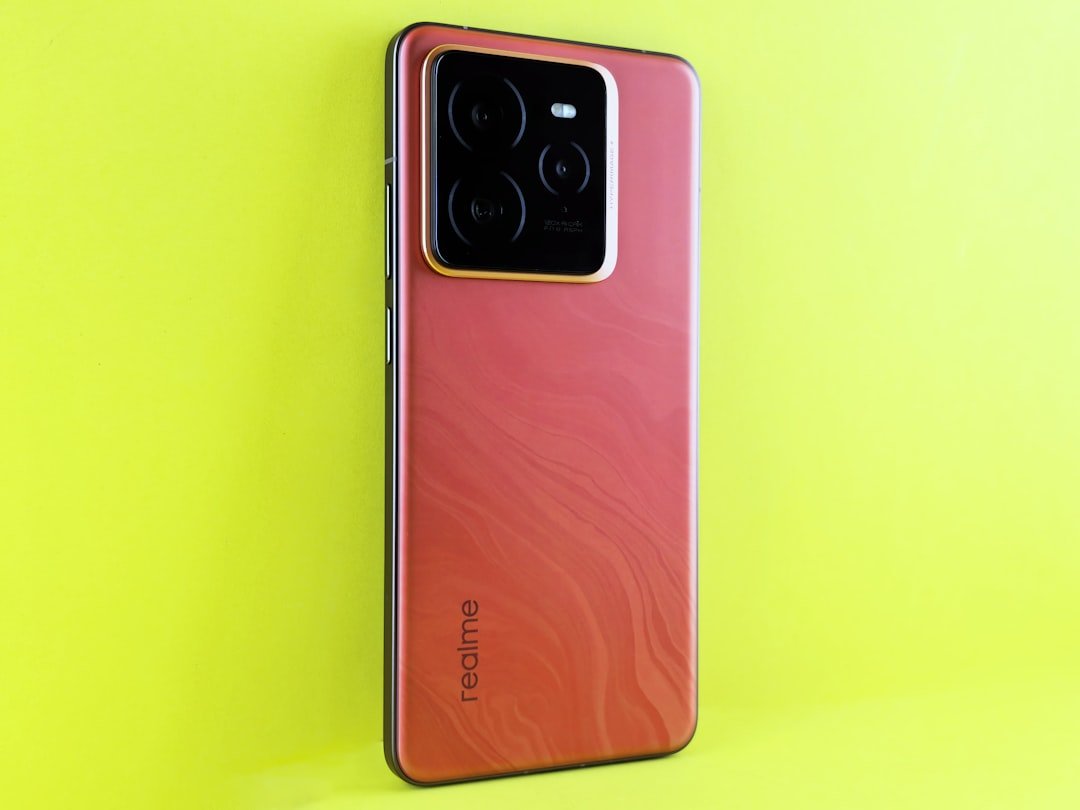
Xiaomi has built one of the most varied phone lineups in Android, spanning flagship-tier Xiaomi handsets, mid-range Redmi models, and performance-focused Poco devices. The pitch is straightforward: flagship-adjacent features at a fraction of what Samsung or Apple charge. Whether that trade-off is right for you depends on a few genuine caveats worth understanding before buying.
Photo by Andrey Matveev on Unsplash
The Three Sub-Brands Explained
| Brand | Positioning | Best For |
|---|---|---|
| Xiaomi (flagship) | Premium cameras, top-tier chipsets, Leica-tuned optics on higher models | Buyers who want flagship features without Apple or Samsung pricing |
| Redmi | Mid-range value, large batteries, dependable daily performance | Buyers who want a reliable phone without flagship pricing |
| Poco | Performance and gaming focused, aggressive pricing | Gamers and power users on a budget |
What Xiaomi Genuinely Does Well
Battery capacity is a consistent strength across the range, with several models offering batteries well above what Samsung or Apple typically ship, translating into genuinely longer screen-on time for heavy users. Charging speeds are also frequently faster than flagship competitors, cutting a full charge down to a fraction of the time. Camera hardware on the higher-tier models, particularly those with Leica tuning, competes credibly with phones costing considerably more, especially for daylight and zoom photography.
The Trade-Offs Worth Knowing Before You Buy
Software Update Support Is Shorter
This is the most significant genuine trade-off. Xiaomi typically offers around three to four years of major Android version updates on most models, noticeably shorter than Samsung’s commitment of up to seven years of updates on flagship Galaxy devices. If keeping a phone for many years without feeling left behind on software matters to you, this gap is worth weighing carefully against the upfront savings.
Global ROM vs China ROM
If you are buying from an international seller rather than an official regional retailer, understanding the difference between Global ROM and China ROM matters. Global ROM includes Google Play Services, supports a wider range of LTE and 5G bands for international use, and displays fully in English without requiring modification. China ROM variants may lack Google services entirely and require additional setup to function normally outside China. Always confirm which ROM variant you are buying before purchasing from an unofficial or import seller.
Regional Carrier Compatibility
Particularly in the US, verifying carrier band compatibility before purchasing is important, since not every Xiaomi model supports every regional carrier’s full network bands, which can affect signal quality or feature availability like 5G access.
Who Should Consider Xiaomi
- Budget-conscious buyers who want flagship-adjacent camera and display quality without flagship pricing
- Gamers on a budget, where Poco models offer strong performance-per-pound value
- Heavy phone users who prioritise large battery capacity and fast charging over long-term software support
- Buyers upgrading every 2 to 3 years, where the shorter software support window matters less
Who Should Look Elsewhere
- Buyers who keep phones for 5+ years and want guaranteed long-term software updates
- Anyone uncomfortable verifying ROM variants and carrier compatibility before buying from international sellers
- Buyers in regions with limited official Xiaomi retail presence, where warranty support may be harder to access
Frequently Asked Questions
Are Xiaomi phones good value compared to Samsung and Apple?
Generally yes on hardware specifications for the price, particularly battery capacity, charging speed, and camera performance on higher-tier models, though software update longevity is shorter.
How long do Xiaomi phones receive software updates?
Typically three to four years of major Android version updates on most models, compared with up to seven years on Samsung’s flagship Galaxy devices.
What is the difference between Global ROM and China ROM?
Global ROM includes Google Play Services and displays in English with broader network band support; China ROM may lack Google services and require modification to use normally outside China.
Is Poco the same as Xiaomi?
Poco is a performance-focused sub-brand under the Xiaomi umbrella, generally offering strong gaming performance at aggressive prices compared with the main Xiaomi flagship line.
Conclusion
Xiaomi phones offer genuinely strong hardware value, particularly in battery life, charging speed, and camera quality relative to price. The trade-off that matters most is software update longevity, roughly three to four years compared with Samsung’s seven-year commitment, alongside the need to verify ROM variant and carrier compatibility if buying through international sellers. For buyers who upgrade every few years and prioritise hardware value, Xiaomi is a genuinely smart purchase; for those who keep phones long-term, the shorter support window is worth factoring into the decision.
If you’re weighing Xiaomi against the bigger flagship names, our iPhone 16 Pro Max vs Samsung S25 Ultra comparison covers that side of the market in detail.