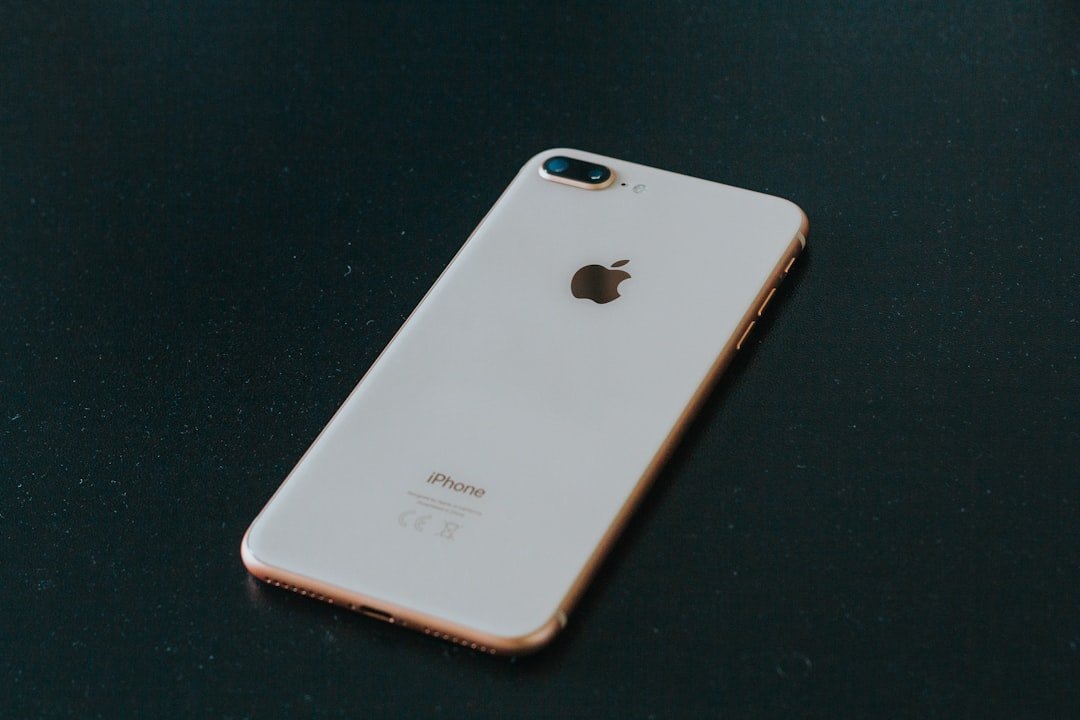

The iPhone 16 Pro Max and the Samsung Galaxy S25 Ultra represent the flagship tier of their respective ecosystems, and choosing between them usually comes down to more than raw specifications. This comparison looks at display, camera, performance, battery, software philosophy and ecosystem lock-in to help you decide which flagship actually fits how you use a phone day to day.
Neither phone is objectively better in every respect. The right choice depends heavily on which ecosystem you are already invested in, what you photograph most, and how you feel about customisation versus consistency.
Photo by Daniel Romero on Unsplash
Quick Comparison Table
| Feature | iPhone 16 Pro Max | Samsung Galaxy S25 Ultra |
|---|---|---|
| Operating System | iOS | Android with One UI |
| Display Type | OLED, ProMotion up to 120Hz | Dynamic AMOLED, up to 120Hz |
| Stylus Support | No | Yes, S Pen included |
| Camera Approach | Computational photography, consistent processing | Higher raw zoom range, more manual control |
| Customisation | More limited, consistent experience | Extensive, more configurable |
| Ecosystem | Strongest with Mac, iPad, AirPods | Strongest with Windows PCs, Galaxy Watch, Galaxy Buds |
| Software Update Policy | Long-term, consistent across most iPhone models | Extended support, varies slightly by region |
Display Comparison
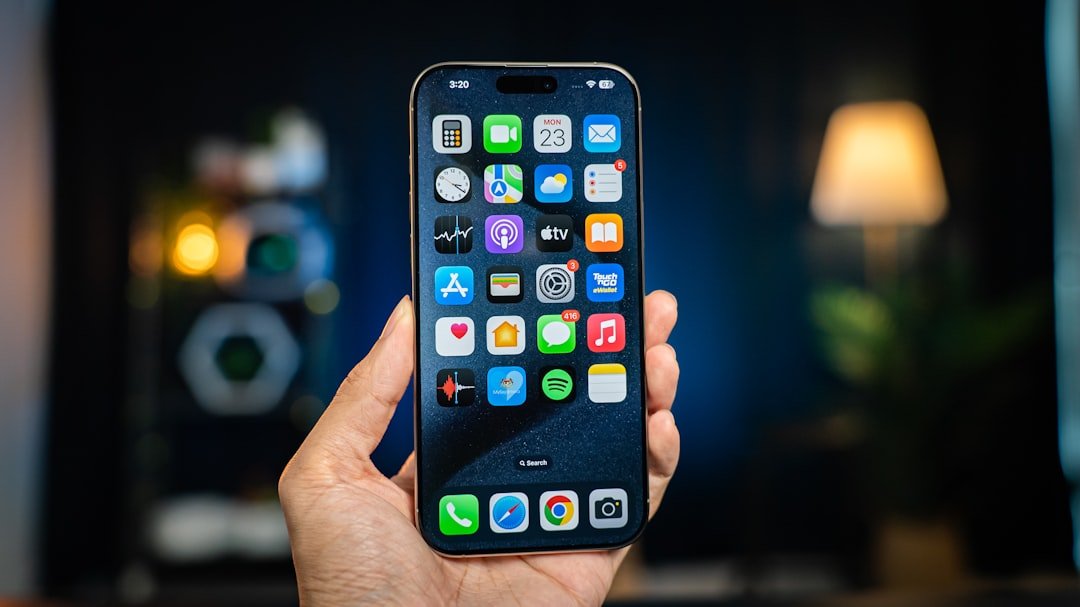
Both phones offer large, high-resolution OLED displays with adaptive refresh rates up to 120Hz, and in practical daily use the visual difference between them is minor for most people. Samsung’s Dynamic AMOLED panels have traditionally leaned slightly punchier in default colour calibration, while Apple’s displays tend toward more neutral, accurate colour reproduction out of the box. Photographers and colour-sensitive creative professionals may notice this difference more than casual users.
The S25 Ultra’s flat display design with S Pen support is a genuine differentiator for anyone who takes handwritten notes, annotates documents, or sketches regularly, a capability the iPhone 16 Pro Max does not offer at all.
Camera System Comparison
Camera comparisons between flagship phones increasingly come down to processing philosophy rather than raw hardware. The iPhone 16 Pro Max applies more restrained computational processing, generally producing images that look closer to a natural photograph without heavy digital enhancement. The Galaxy S25 Ultra applies more aggressive processing by default, often producing punchier, more saturated images straight out of the camera app, alongside a longer optical and digital zoom range that benefits distant subjects such as wildlife or events.
For users who prefer editing photos manually, Samsung’s camera app traditionally offers more granular manual controls. For users who want a reliably good result without adjustment, Apple’s more consistent processing tends to produce fewer surprising results across different lighting conditions.
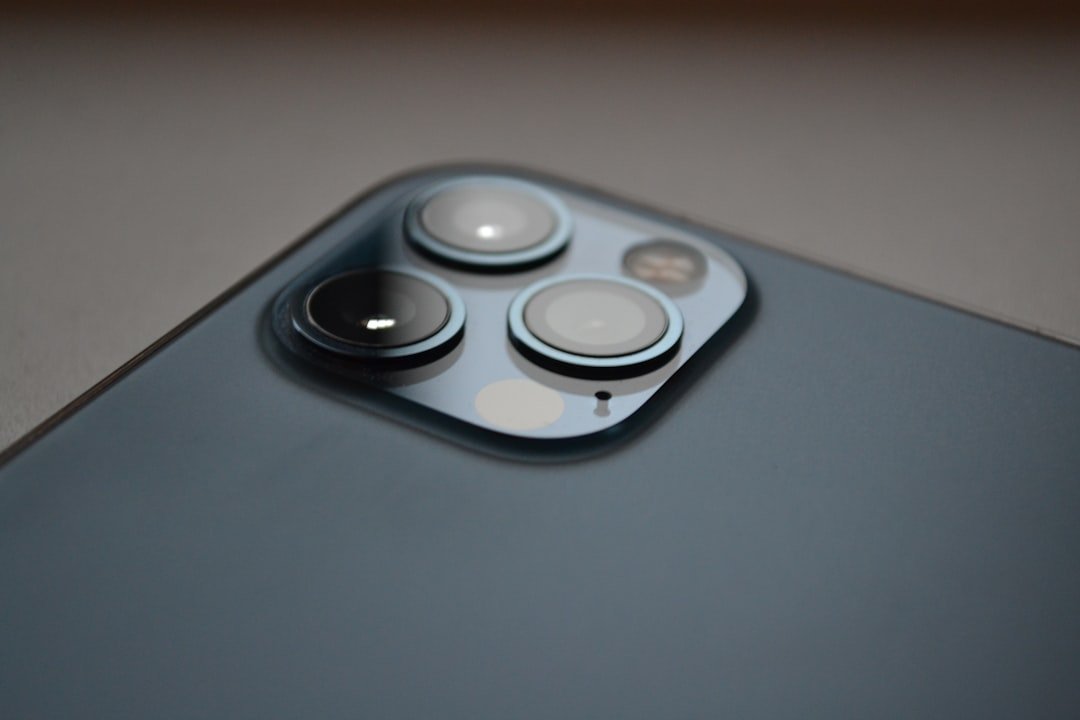
Beyond processing philosophy, there is also a genuine hardware gap: the Galaxy S25 Ultra’s main rear sensor is rated at 200 megapixels, compared with 48 megapixels on the iPhone 16 Pro Max’s main sensor. Higher megapixel count does not automatically mean better photos, since processing, sensor size and lens quality all matter as much as resolution, but it gives the S25 Ultra more flexibility for cropping and digital zoom without as much visible quality loss.
Performance and Everyday Use
Both flagships use their respective chip generation’s top-tier silicon and comfortably handle demanding tasks including gaming, video editing, and multitasking. Independent benchmark testing using Geekbench 6’s multi-core test has consistently shown the Galaxy S25 Ultra scoring higher than the iPhone 16 Pro Max, with results in the region of 9,400 to 10,100 points for the S25 Ultra against roughly 8,000 to 8,400 points for the iPhone. In practical daily use this gap is rarely the deciding factor for most buyers, since both phones remain more than capable for mainstream and power-user tasks alike, but it is a genuine, measurable performance advantage for Samsung on paper.
Where the experience diverges more is multitasking philosophy. Samsung’s One UI offers more flexible windowing and split-screen options out of the box, useful for anyone who regularly runs two apps side by side. iOS has narrowed this gap on the Pro Max models but still offers a more restrained, single-focus interaction style by design.
Battery Life and Charging
Both phones are built for a full day of typical use, with the S25 Ultra’s larger battery capacity generally translating to a modest real-world endurance advantage under heavy use, particularly for tasks like navigation or extended camera use. Samsung also tends to support faster wired charging speeds, meaningfully reducing top-up time for users who charge briefly between activities rather than overnight.
Software Philosophy and Ecosystem
This is often the real deciding factor rather than any individual spec. The iPhone 16 Pro Max integrates tightly with Mac, iPad, AirPods and Apple Watch through features like Handoff, Universal Clipboard and AirDrop, an ecosystem advantage that is difficult to replicate if you already own other Apple devices.
The Galaxy S25 Ultra integrates more naturally with Windows PCs through Samsung’s cross-device features, and pairs closely with Galaxy Watch and Galaxy Buds. For users already embedded in either ecosystem, switching carries a real cost in convenience, which is worth weighing more heavily than marginal camera or display differences.
Who Should Choose the iPhone 16 Pro Max
- You already own a Mac, iPad or AirPods and value seamless integration
- You prefer a more consistent, natural-looking camera output without manual adjustment
- You value long-term software update consistency
- You prefer a simpler, more restrained interface philosophy
Who Should Choose the Samsung Galaxy S25 Ultra
- You want S Pen functionality for notes or sketching
- You photograph distant subjects often and want a longer zoom range
- You want deeper customisation and manual control over software behaviour
- You primarily use a Windows PC and want closer cross-device integration
If you already own an older iPhone and are unsure whether it’s time to move to the 16 Pro Max at all, our iPhone 15 vs iPhone 16 Pro Max upgrade guide breaks down exactly what you would gain.
Frequently Asked Questions
Which phone has the better camera, the iPhone 16 Pro Max or the S25 Ultra?
Neither is definitively better. The iPhone tends to produce more natural, consistent results, while the S25 Ultra offers a longer zoom range and more manual control.
Does the iPhone 16 Pro Max support a stylus like the S25 Ultra?
No, Apple does not offer S Pen-style stylus support on any iPhone model, including the 16 Pro Max.
Which phone has better battery life?
The S25 Ultra generally offers a modest real-world battery life advantage under heavy use, along with faster wired charging speeds.
Is switching from iPhone to Samsung, or vice versa, difficult?
Both companies provide data transfer tools that handle contacts, photos and messages reasonably well, though some ecosystem-specific features and purchased content do not transfer directly between platforms.
Conclusion
The iPhone 16 Pro Max and Samsung Galaxy S25 Ultra are both excellent flagship phones, and the right choice depends far more on your existing device ecosystem and personal workflow preferences than on any single spec. If you value seamless integration with other Apple devices and a consistent camera experience, the iPhone 16 Pro Max is the stronger fit. If you want stylus support, deeper customisation, and a longer camera zoom range, the Galaxy S25 Ultra is likely to suit you better.