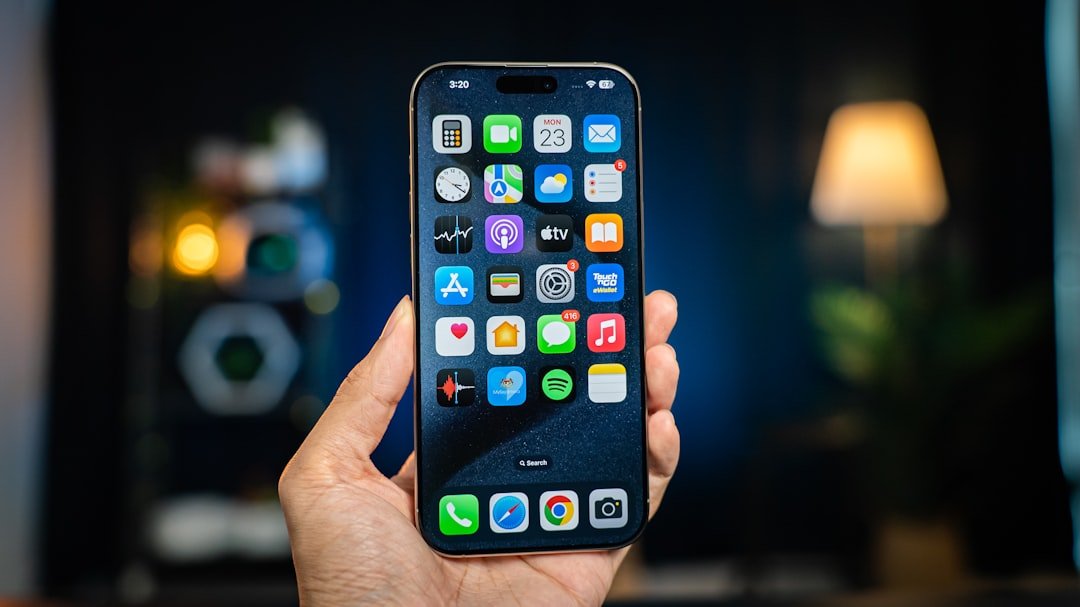

The iPhone 17 Pro marks the biggest design shift in Apple’s Pro lineup in years, moving from titanium back to an aluminium unibody chassis with a new vapour chamber cooling system. Reviewers have consistently described it as a bigger upgrade than the spec sheet initially suggests. This review covers what actually changed, how it benchmarks against rivals, and whether it’s worth buying now.
Photo by Ash Saribekyan on Unsplash
What Changed From the iPhone 16 Pro
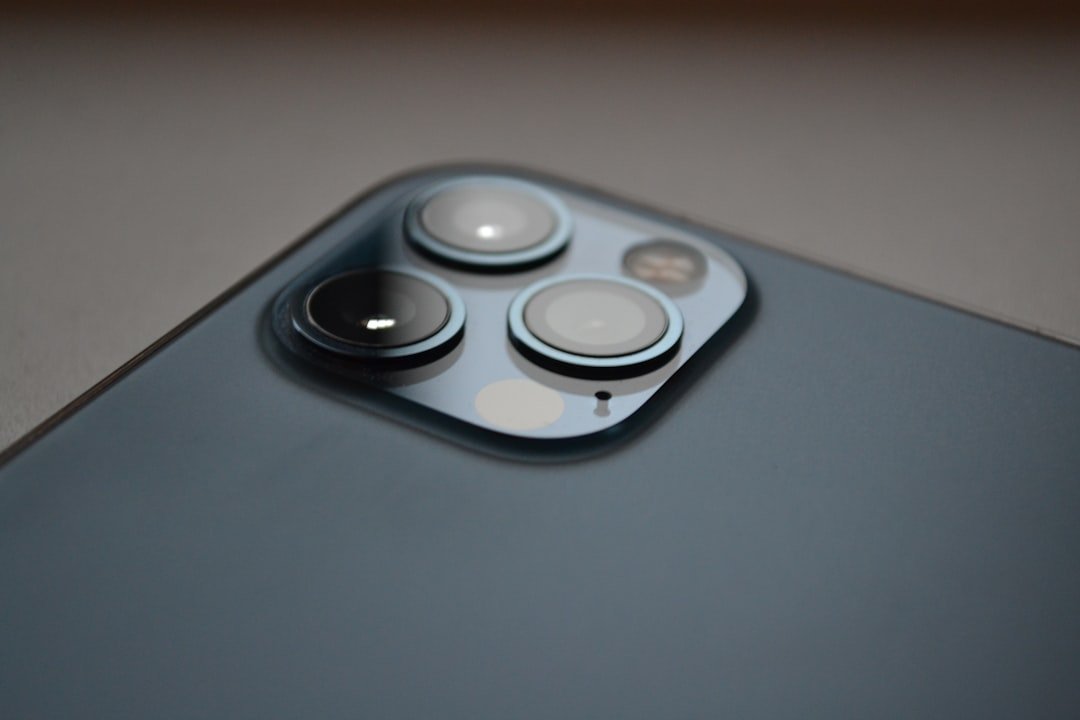
The most visible change is material: Apple moved from titanium back to an aluminium unibody design, paired with a vapour chamber for improved heat dissipation, aimed at keeping the new A19 Pro chip cool during sustained demanding tasks. The camera plateau has been redesigned, and the selfie camera jumped to 18MP with a wide-angle lens that can capture landscape selfies while the phone is held vertically. The telephoto lens now uses a larger 48MP sensor, though its zoom range settled at 4x rather than the previous generation’s 5x.
Battery capacity received the largest increase of any recent iPhone Pro generation, and a new charging standard was introduced alongside it, giving the 17 Pro noticeably longer real-world battery life than its predecessor.
Performance and Benchmarks
The iPhone 17 Pro runs on the 3nm A19 Pro chipset. In Geekbench 6 multi-core testing, independent results place the iPhone 17 Pro around 9,900, with the iPhone 17 Pro Max slightly ahead at roughly 10,100, both comfortably ahead of the previous generation’s iPhone 16 Pro at around 8,300. For context, this puts it on par with or slightly ahead of Samsung’s Galaxy S25 Ultra using Qualcomm’s top-tier Snapdragon chip, though real-world performance differences of this size are rarely noticeable outside of benchmark apps and heavy sustained workloads.
Thermal testing shows the vapour chamber’s benefit clearly: surface temperatures under long-term load remain relatively low, staying under roughly 45 degrees Celsius at the hottest point, an improvement reviewers have attributed directly to the new cooling design.
Display and Design
| Spec | iPhone 17 Pro |
|---|---|
| Display | 6.3-inch LTPO Super Retina XDR OLED, 120Hz ProMotion |
| Chip | A19 Pro (3nm) |
| Rear Cameras | Triple 48MP system with 4x telephoto |
| Front Camera | 18MP, landscape-capable selfie orientation |
| Build | Aluminium unibody with vapour chamber cooling, Ceramic Shield 2 front and back |
| Water Resistance | IP68, submersible to 6m for 30 minutes |
How It Compares to Android Flagship Rivals
Against the OnePlus 13, the iPhone 17 Pro pulls ahead clearly on camera consistency, software support duration, and ecosystem integration, while the OnePlus 13 wins decisively on raw charging speed and overall price. Against the Vivo X300 Pro, a strong contender particularly for zoom photography with its periscope telephoto implementation, the iPhone 17 Pro’s advantage comes down to software polish, long-term update support, and ecosystem consistency rather than any single hardware category.
Connectivity
The iPhone 17 Pro supports both sub-6GHz and mmWave 5G, Wi-Fi 7 with multi-link operation for genuinely faster and lower-latency home networking than Wi-Fi 6E, and Bluetooth 5.4 with improved range and better handling of multiple simultaneous connections. Satellite connectivity, including Emergency SOS and Roadside Assistance via satellite, extends safety features beyond normal cellular coverage in many countries.
Is It Worth Buying Now?
Apple has confirmed a shift to splitting its iPhone lineup across spring and fall launches starting in 2026, with the iPhone 18 Pro and Pro Max, alongside a foldable iPhone, expected in autumn 2026. If you’re deciding right now, the iPhone 17 Pro remains a genuinely strong buy for anyone upgrading from an iPhone 15 Pro or earlier, given the substantial camera, cooling, and battery improvements. If a brand-new iPhone 18 Pro generation launching imminently would bother you, waiting a short period makes sense, particularly since new Pro-tier prices have tended to rise with each major redesign generation.
Frequently Asked Questions
Why did Apple switch from titanium back to aluminium?
The aluminium unibody paired with a new vapour chamber cooling system was designed to better dissipate heat from the more powerful A19 Pro chip during sustained demanding tasks.
Is the iPhone 17 Pro’s telephoto camera better than the 16 Pro’s?
It uses a larger 48MP sensor for improved detail, though the zoom range decreased slightly from 5x to 4x compared with the previous generation.
How does the iPhone 17 Pro compare to the Galaxy S25 Ultra in benchmarks?
Geekbench 6 multi-core scores put them very close, with the iPhone 17 Pro Max slightly ahead of the Galaxy S25 Ultra, though real-world performance differences at this level are rarely noticeable in daily use.
Should I wait for the iPhone 18 Pro instead?
If a new generation launching within a few weeks would bother you, waiting makes sense. Otherwise, the 17 Pro’s substantial camera, cooling, and battery upgrades make it a strong buy now.
Conclusion
The iPhone 17 Pro represents Apple’s most significant Pro-model redesign in years, with genuine, measurable improvements in cooling, battery life, and camera hardware rather than purely incremental spec bumps. Benchmarks place it competitively against the strongest current Android flagships, and for anyone upgrading from an iPhone 15 Pro or older device, it’s a substantial, worthwhile jump.
If you’re weighing it directly against Samsung’s current flagship, our iPhone 16 Pro Max vs Samsung S25 Ultra comparison covers the platform-choice side of that decision in more depth.