
Two generations separate the iPhone 14 from the iPhone 16 Pro Max, which makes this a very different upgrade decision from comparing adjacent models. This guide focuses on what genuinely changed across that two-generation gap, and whether it justifies the cost for someone currently using an iPhone 14.
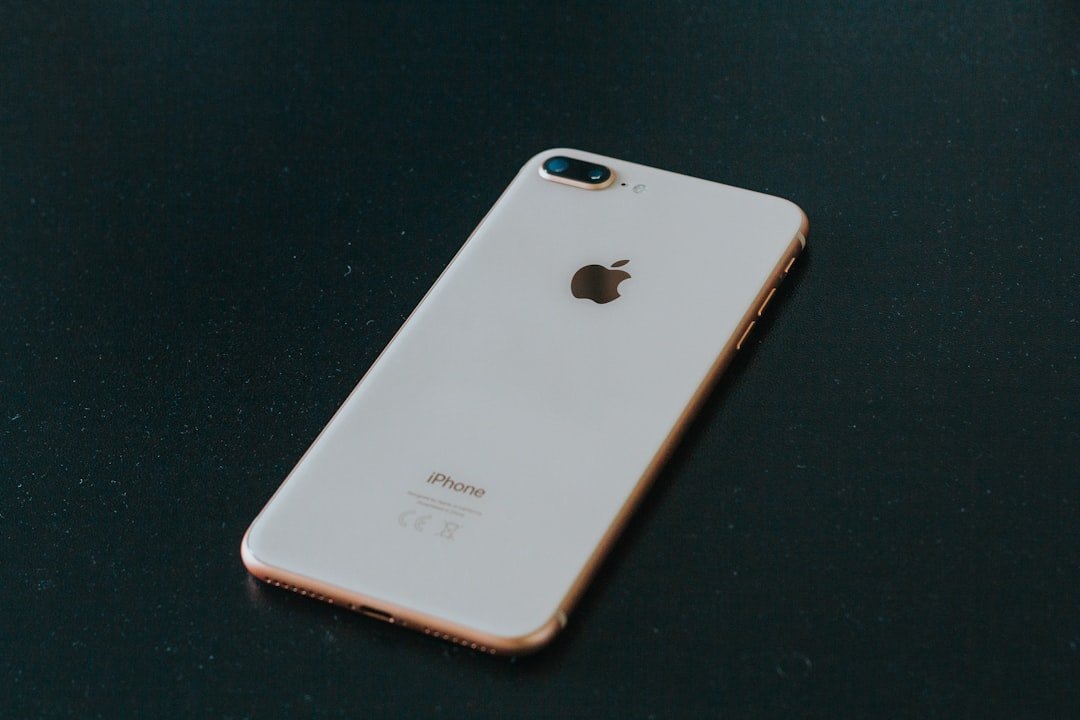
Photo by Marcin Nowak on Unsplash
The Biggest Gap: Apple Intelligence Support
This is the single most consequential difference for iPhone 14 owners specifically. Apple Intelligence, Apple’s suite of generative AI features, requires an A17 Pro chip or newer, which means the entire iPhone 14 lineup, including the Pro models, cannot run Apple Intelligence at all. If AI-powered writing tools, smarter Siri capabilities, or on-device AI features genuinely matter to how you plan to use your phone, this represents a hard functional wall your current phone cannot cross, not a marginal missing feature.
Design and Display Differences
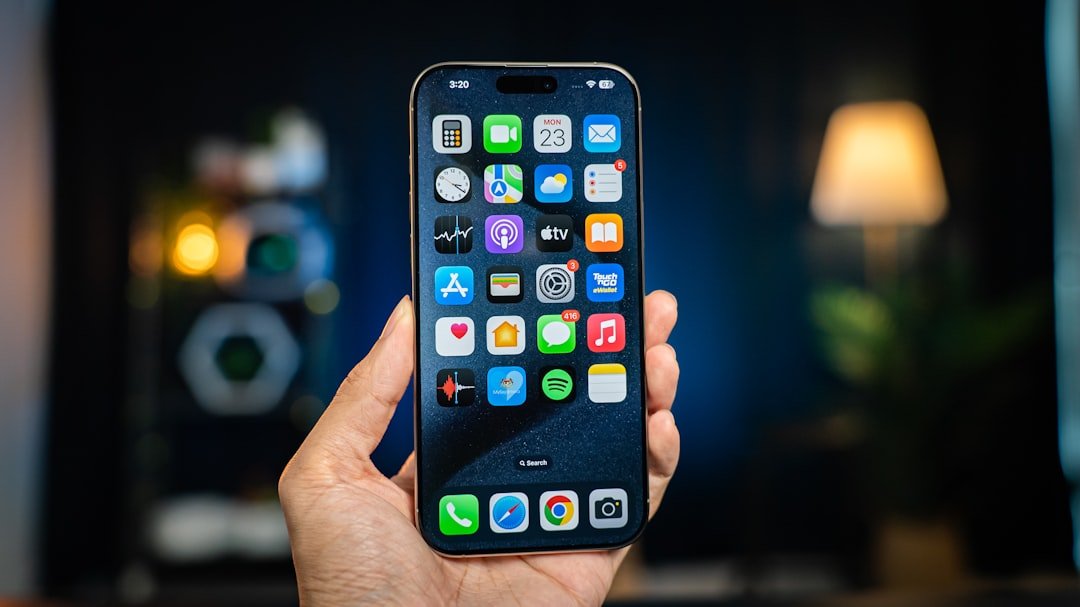
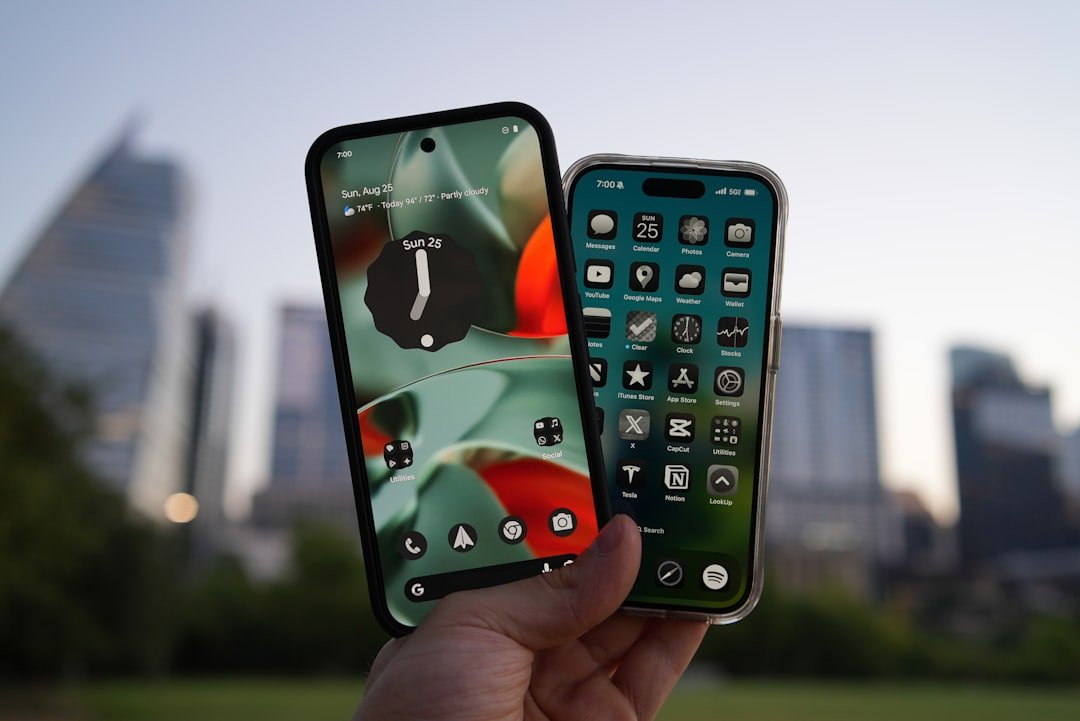
Both phones share Apple’s now-familiar Dynamic Island cutout and flat-sided design language, so from a short distance the two generations can look surprisingly similar. The iPhone 16 Pro Max features a larger 6.9-inch display compared with the standard iPhone 14’s 6.1-inch screen, achieved partly through significantly thinner bezels. The iPhone 16 Pro Max also introduces the Camera Control button, a pressure-sensitive capacitive control on the side of the phone offering quick camera adjustments, a feature entirely absent on the iPhone 14.
Performance Gap
The standard iPhone 14 runs on the A15 Bionic chip, while the iPhone 16 Pro Max uses the considerably more powerful A18 Pro. Across two chip generations, this translates into a substantial real-world performance gap, particularly noticeable in demanding tasks like intensive multitasking, 4K video editing, and graphically demanding games, where the iPhone 16 Pro Max maintains smooth performance under sustained load that would cause a standard iPhone 14 to show more noticeable slowdown.
Camera Improvements
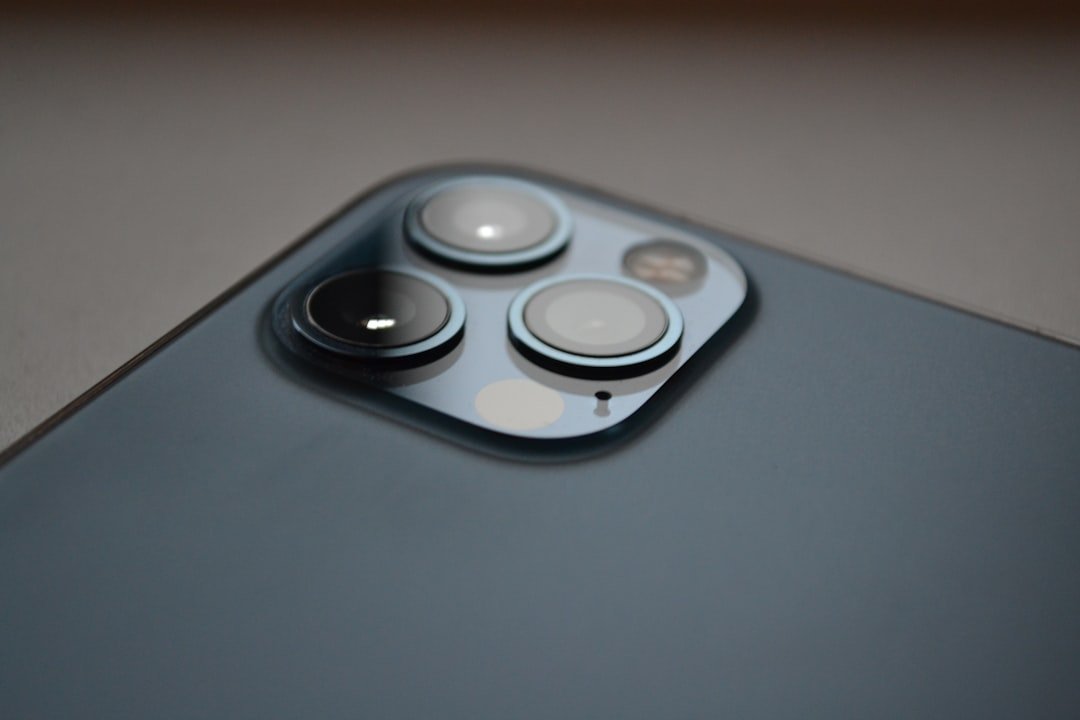
Camera hardware has improved substantially across two generations. The iPhone 16 Pro Max’s Pro-tier camera system, including its ultra-wide and telephoto lenses, offers meaningfully more capability than the standard iPhone 14’s dual-camera setup, particularly for zoom photography and low-light performance. For anyone who photographs regularly with their phone, this is one of the more tangible, immediately visible upgrades.
Comparison Table
| Feature | iPhone 14 | iPhone 16 Pro Max |
|---|---|---|
| Apple Intelligence | Not supported | Fully supported |
| Chip | A15 Bionic | A18 Pro |
| Display Size | 6.1 inches | 6.9 inches |
| Camera Control Button | Not available | Included |
| Starting Storage | 128GB | 256GB |
| Camera System | Dual-camera, no telephoto | Pro triple-camera with telephoto |
Should You Upgrade?
For iPhone 14 owners, the case for upgrading is genuinely stronger than a typical single-generation comparison, since two full years of hardware and software evolution separate the devices. If Apple Intelligence features matter to you, your current phone simply cannot access them, which is a functional limitation rather than a preference. If your iPhone 14 still performs reliably for your daily needs and AI features are not a priority, waiting remains a reasonable choice, particularly given how quickly Apple’s annual release cycle can make a brand-new purchase feel dated within a year.
Who Should Upgrade
- Anyone who wants access to Apple Intelligence features, since the iPhone 14 cannot run them under any circumstances
- Photographers who want telephoto zoom capability, absent on the standard iPhone 14
- Users noticing consistent slowdown during multitasking or demanding apps on their current phone
Who Should Wait
- Users satisfied with current performance who do not prioritise AI features
- Budget-conscious buyers, since a two-generation jump carries a significant price difference
- Anyone comfortable manually managing without the newest camera or display features for another cycle
Frequently Asked Questions
Can my iPhone 14 ever get Apple Intelligence through a software update?
No. Apple Intelligence requires an A17 Pro chip or newer at the hardware level, so no future iOS update will bring it to the iPhone 14.
Is the iPhone 14 still a capable phone in 2026?
For everyday tasks like browsing, messaging, and casual photography, yes. The gap becomes most noticeable in demanding multitasking, AI features, and advanced camera capabilities.
How much bigger is the iPhone 16 Pro Max’s screen?
6.9 inches compared with the iPhone 14’s 6.1 inches, a meaningful difference in both viewing area and overall phone size.
Does the iPhone 16 Pro Max have a telephoto camera the iPhone 14 lacks?
Yes, the iPhone 16 Pro Max’s Pro-tier triple-camera system includes telephoto zoom capability that the standard iPhone 14’s dual-camera setup does not offer.
Conclusion
Two generations create a meaningfully bigger gap than a typical year-over-year comparison, and for iPhone 14 owners, Apple Intelligence support alone is often the deciding factor, since it is a hardware limitation your current phone cannot overcome regardless of software updates. Combined with substantial performance, camera, and display improvements, the case for upgrading from an iPhone 14 to the iPhone 16 Pro Max is considerably stronger than upgrading from a more recent model.
If you’re weighing a smaller jump instead, our iPhone 15 vs iPhone 16 Pro Max upgrade guide covers the single-generation comparison in detail.