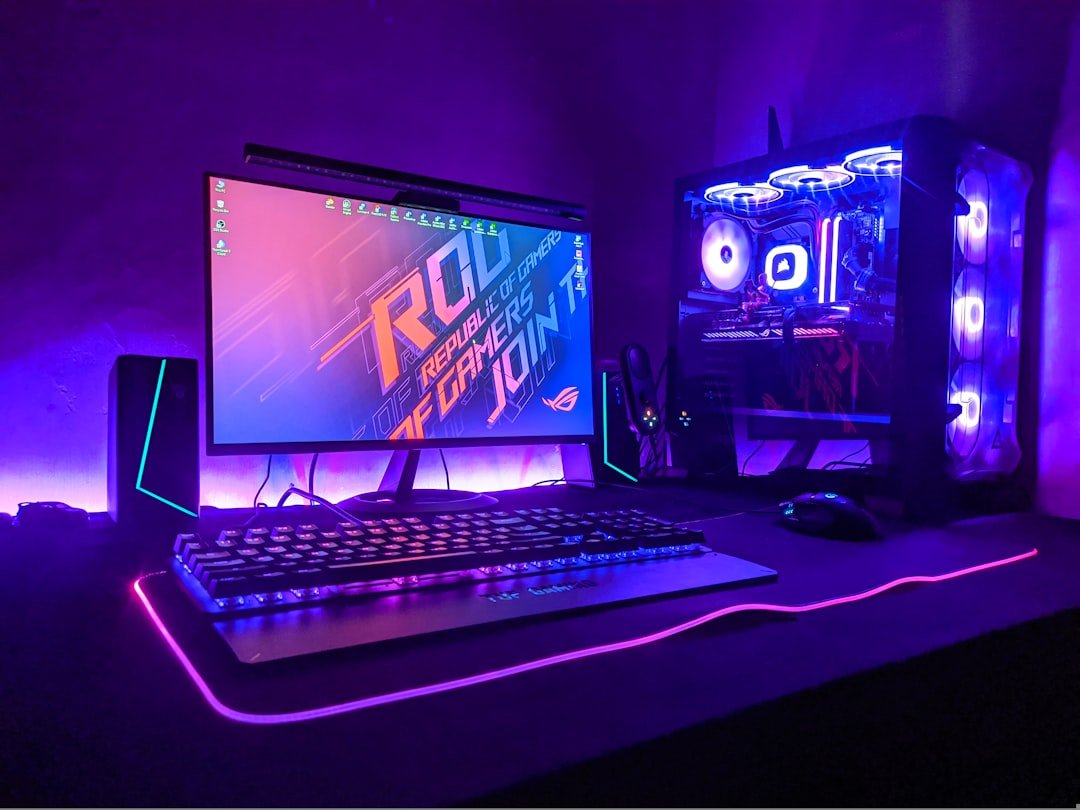

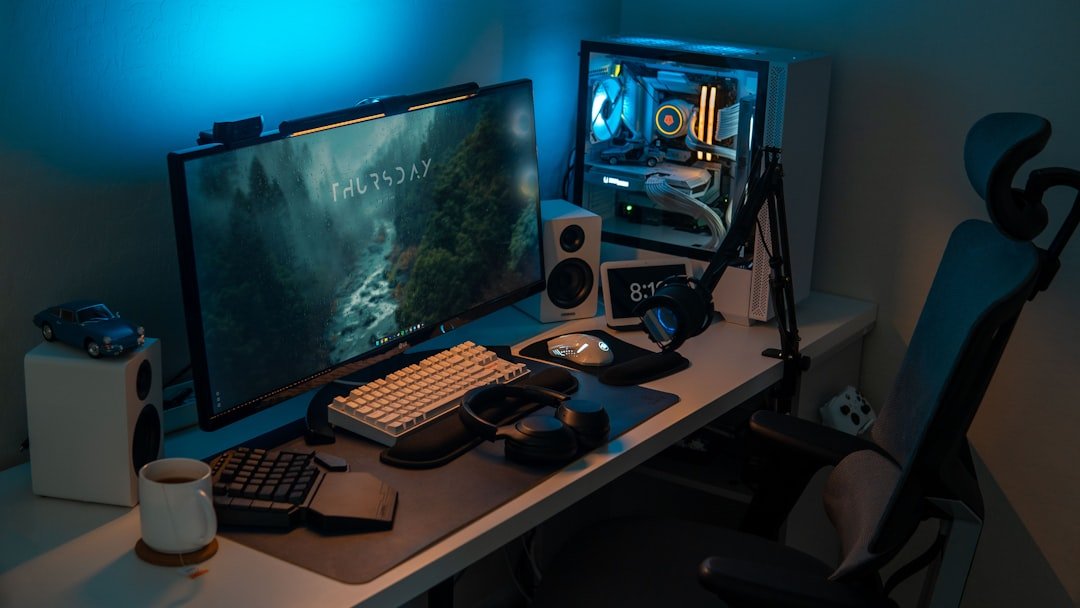
A good gaming chair is less about brand names and racing-style aesthetics than most marketing suggests, and far more about fit, adjustability, and how many hours a day you actually sit in it. This guide explains what genuinely matters when choosing a gaming chair, the price tiers worth knowing, and how to avoid paying for features you will not use.
Photo by Rakitha Perera on Unsplash
Why Fit Matters More Than Features
The most common problem with gaming chairs is not a missing feature list, it is fit. A seat can be too deep for your legs, armrests can sit too high for your shoulders, and a built-in lumbar curve can land in the wrong place on your lower back. None of these problems are solved by adding another cushion or a fancier headrest; they are solved by choosing a chair sized correctly for your body in the first place. Many premium chair makers now offer multiple size variants specifically because a single frame size cannot fit every body comfortably.
Key Features That Actually Matter
Lumbar Support
Integrated, adjustable lumbar support that you can move up, down, and in and out tends to outperform a simple strapped-on cushion, since it can be positioned precisely to your lower back’s curve rather than approximated.
Armrest Adjustability
Look for at minimum 4D armrests, adjustable for height, width, depth, and pivot angle. This range matters more than most buyers expect, since armrests set at the wrong height are a common cause of shoulder and neck tension during long sessions.
Recline Range and Tilt Lock
A wide recline range with a lockable tilt mechanism lets you switch between upright work posture and a more relaxed reclined position for gaming, without needing two separate chairs.
Material: Fabric vs PU Leather
Breathable fabric or mesh options tend to stay cooler over long sessions and in warmer rooms, while PU leather or leatherette options generally look more premium and are easier to wipe clean, but can feel warmer during extended use. Neither material is objectively better; the right choice depends on your room temperature and personal preference.
Price Tiers and What You Get at Each
| Price Range | What to Expect |
|---|---|
| Under $150 | Basic adjustability, limited lumbar support, shorter expected lifespan under daily heavy use |
| $300 to $500 | The sweet spot for most buyers: real lumbar systems, quality materials, solid warranties |
| $500 to $1,000+ | Multiple size options, premium materials, motorised lumbar in some models, longer warranties |
| $1,000+ (ergonomic office-style) | Office-grade ergonomic engineering adapted for gaming, exceptional adjustability, very long warranties |
Gaming Chairs vs Ergonomic Office Chairs
A growing trend worth knowing about is ergonomic office-style chairs adapted specifically for gaming, offering the kind of engineering typically found in high-end office seating alongside gaming-friendly recline and colour options. These tend to sit at a premium price point but appeal strongly to anyone who works from the same desk they game at, since a single well-built chair covers both use cases rather than needing separate office and gaming seating.
How to Choose the Right Size
Before buying, check the manufacturer’s published seat width, depth, and recommended height and weight range against your own measurements rather than relying on generic small, medium, or large labels. A chair that fits a 5’6″ user comfortably may leave a 6’2″ user with unsupported thighs and a poorly positioned lumbar curve, even within the same product line, which is exactly why size-specific variants exist for taller and larger users.
Trying Before You Buy
Where possible, sitting in a floor model before committing gives a far better sense of fit than specifications alone. If that is not practical, buying from a retailer with a straightforward return policy reduces the risk of being stuck with a chair that does not suit your body once it arrives.
Frequently Asked Questions
What is the ideal budget for a gaming chair?
For most buyers, $300 to $500 represents the best balance of genuine lumbar support, build quality, and warranty coverage without paying for premium extras you may not need.
Are more expensive gaming chairs always more comfortable?
Not necessarily. Fit matters more than price. A correctly sized mid-range chair will often outperform an expensive chair that does not fit your body properly.
Is mesh or PU leather better for a gaming chair?
Mesh and breathable fabric stay cooler during long sessions, while PU leather looks more premium and is easier to clean. Choose based on your room temperature and how many hours you sit at a time.
How long should a good gaming chair last?
Chairs in the $300 and above range from established manufacturers typically carry multi-year warranties and are built to withstand years of daily use, while budget chairs under $150 often have a noticeably shorter practical lifespan.
Conclusion
The right gaming chair is the one that actually fits your body, not necessarily the one with the longest feature list or the most aggressive racing-style design. Prioritise correctly sized lumbar support and adjustable armrests over cosmetic extras, and budget realistically for the $300 to $500 range if you sit for long sessions daily. A well-fitted mid-range chair will serve you better long-term than an expensive chair that does not match your body.
If you’re also considering an upgrade to your console setup, our PS5 Pro upgrade guide covers whether the hardware refresh is worth pairing with your new setup.