
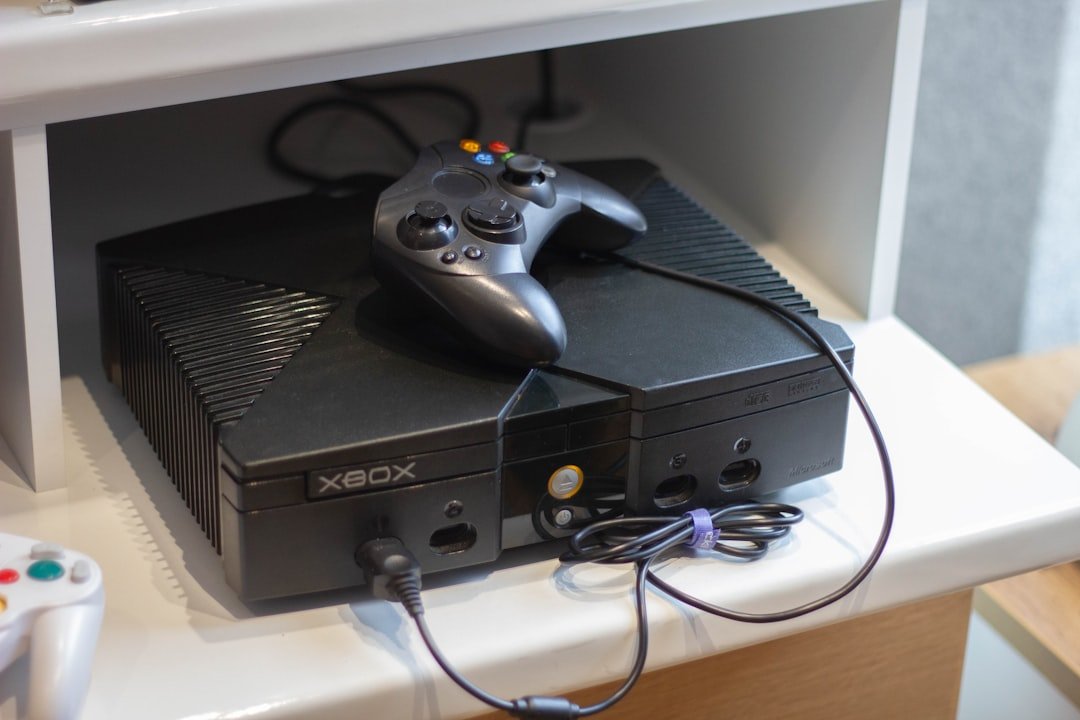
Three years into its lifecycle, the Xbox Series S remains one of Microsoft’s most divisive consoles: the cheapest entry point into current-generation gaming, but with real compromises that some buyers still can’t get past. This guide cuts through the marketing to cover what it actually delivers in 2026, and who it genuinely suits.
Photo by Ilias Gainutdinov on Unsplash
What the Xbox Series S Actually Offers
The Series S delivers legitimate next-generation gaming at 1080p to 1440p resolution, with a 4 TFLOPS GPU, 10GB of GDDR6 RAM, and a custom NVMe SSD that gives genuinely fast load times. It supports ray tracing, Quick Resume, backward compatibility, and full Xbox Game Pass access, all the core next-gen features found on the more powerful Series X, just tuned for a lower resolution target rather than native 4K.
Storage: The Most Legitimate Complaint
This is the single most common frustration with the Series S, and it’s a fair one. The base 512GB model has meaningfully less usable space than advertised once the operating system is accounted for, and modern AAA titles routinely weigh 80 to 150GB each, meaning the 512GB model fills up fast, often after installing just a handful of major games. For most buyers, the 1TB model is the smarter purchase despite the higher price, since the storage math on the base model rarely works out for anyone with more than a couple of large games installed at once.
Pricing
| Model | Price | Notes |
|---|---|---|
| 512GB | Around $299 | Storage fills up quickly with modern game sizes |
| 1TB | Around $349 | Recommended for most buyers given realistic game sizes |
No Disc Drive: What That Actually Means
The Series S is digital-only, with no disc drive at all. Every game must be downloaded, which rules out buying used physical discs, borrowing games from friends, or reselling a physical copy after finishing it. For buyers who value a physical game collection or regularly buy second-hand titles, this is a genuine, permanent limitation rather than a minor inconvenience.
Game Compatibility in 2026
Three years into the console’s life, the library of properly optimised Series S titles has grown substantially compared with launch-day 2020, with major ongoing releases continuing to add specific Series S support. Non-optimised titles still run and benefit from the console’s raw power advantage over the previous Xbox One generation, loading faster and holding steadier frame rates through general hardware improvement, but they don’t receive the specific next-gen visual enhancements that patched titles do.
Who Should Buy a Series S in 2026
- 1080p to 1440p TV owners who don’t need native 4K output
- Xbox Game Pass subscribers who primarily play through the subscription library rather than buying individual physical games
- Budget-conscious buyers wanting a genuine next-gen experience at the lowest possible entry price
- Anyone wanting a compact secondary console for a bedroom or second room, alongside a more powerful primary console elsewhere
Who Should Look Elsewhere
- 4K TV owners who want native 4K output rather than upscaled 1080p-1440p
- Physical game collectors or anyone who regularly buys or resells used discs
- Buyers with large game libraries who will find even the 1TB model filling up faster than they’d like
Since the Series S leans heavily on its digital library, our Xbox Game Pass guide covers every tier and whether the subscription is worth pairing with it.
Frequently Asked Questions
Is the Xbox Series S still worth buying in 2026?
Yes, for 1080p-1440p TV owners, Game Pass subscribers, and budget buyers specifically. It remains a poor fit for anyone wanting native 4K or a large physical game collection.
Should I get the 512GB or 1TB Series S model?
The 1TB model is the smarter buy for most people, given that modern AAA games commonly weigh 80 to 150GB each and quickly overwhelm the base model’s usable storage.
Can the Series S run 4K games?
No, it targets 1080p-1440p resolution rather than native 4K, which is the main trade-off for its significantly lower price compared with the Series X.
Does the Series S support physical game discs?
No, it’s digital-only with no disc drive, meaning every game must be downloaded and used physical discs cannot be played.
Conclusion
The Xbox Series S still punches well above its price point in 2026, delivering genuine next-gen features, ray tracing, fast load times, and full Game Pass access at the lowest entry cost in current-gen gaming. The storage situation and lack of a disc drive are real, legitimate trade-offs rather than minor quibbles, so buyers should weigh those honestly against the console’s low price before deciding.
If you’re deciding between console platforms rather than budget tiers within Xbox, our PS5 Pro upgrade guide covers the PlayStation side of that decision.